

1.IMO Delays Discussions on the Net-Zero Framework and Industry-Wide Implications
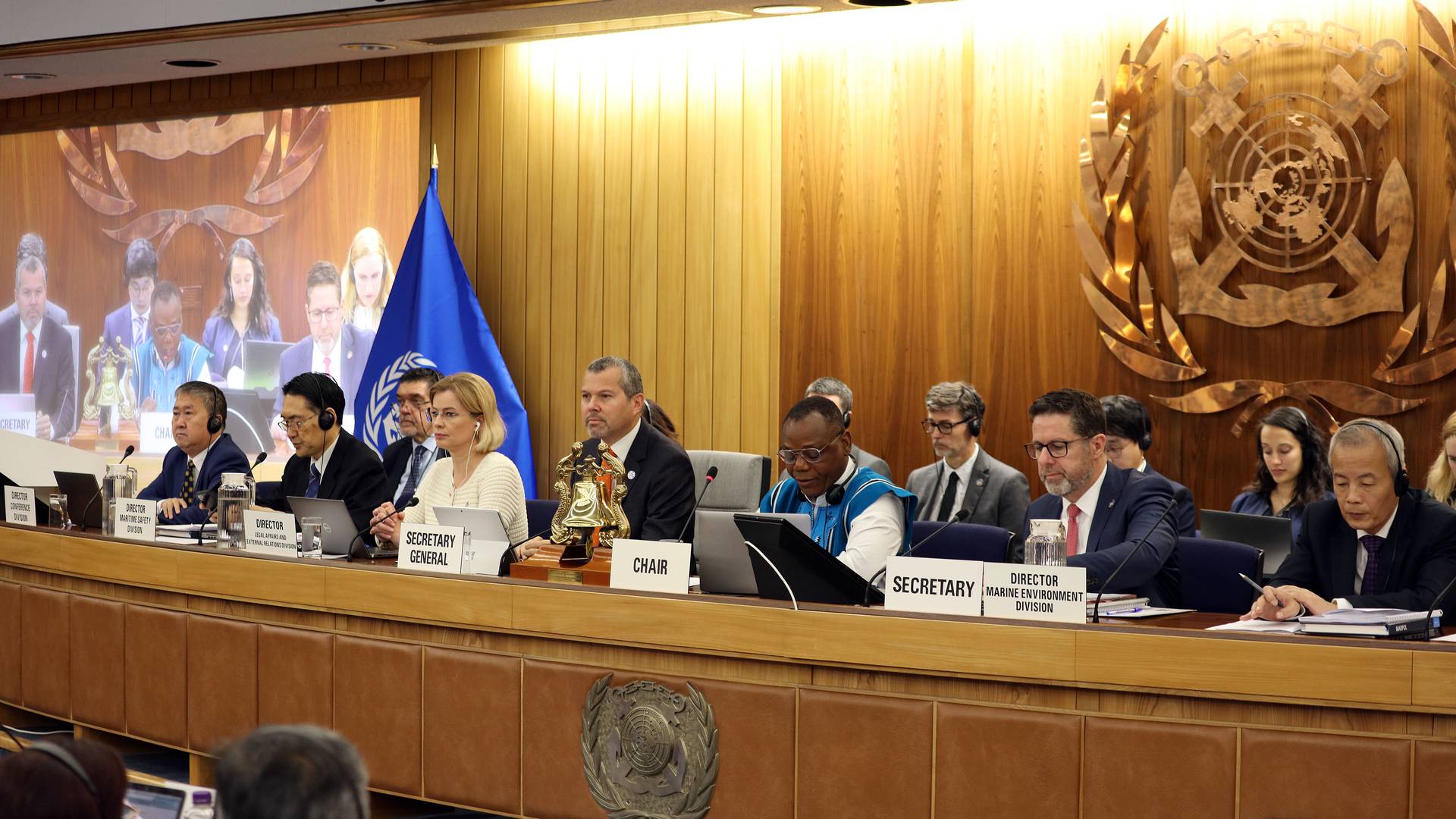
The International Maritime Organization (IMO) has recently announced the postponement of discussions on the Net-Zero Framework, with negotiations now expected to resume in 2026. This decision has drawn significant attention across the global maritime industry, as the timeline for reaching a unified global strategy to reduce greenhouse gas (GHG) emissions from shipping continues to be extended.
The delay underscores the complexity of aligning diverse national interests and regulatory approaches, while also prolonging uncertainty for shipowners, operators, and investors who are seeking clearer policy direction to guide long-term fleet investment and decarbonization strategies.
2. Net-Zero Delay – Parallel Challenges and Opportunities
For global shipping companies, including those in Vietnam, this development presents both challenges and opportunities. On one hand, the delay reflects the complexity of achieving international consensus on emission standards and alternative fuel transition pathways. On the other hand, it provides valuable additional time for stakeholders — from regulators to industry players — to reassess strategies, technologies, and investment directions aligned with long-term sustainability goals.
Rather than slowing progress, this extended timeline may allow for more pragmatic and economically viable decarbonization solutions to emerge.
3. Strategic Perspective for Shipowners and Operators
From a strategic standpoint, this interim period enables shipowners and operators to better prepare for the transition phase. Companies can use this time to evaluate fleet performance, explore cleaner fuel options such as LNG, methanol, or ammonia, and invest in energy-efficiency technologies.
By proactively adapting at an early stage, Vietnamese shipping companies in particular can position themselves competitively once a global regulatory framework is formally implemented.
4. Risks Arising from Regulatory Fragmentation
However, the delay also brings regulatory uncertainty. The absence of a unified global framework complicates long-term investment decisions for many shipowners. There is a growing risk of fragmented regional regulations, as different markets may adopt their own carbon standards — potentially increasing compliance costs and operational complexity.
In this context, collaboration between industry players, regulators, and technical experts will be critical to maintaining regulatory coherence and preserving competitiveness.
5. Preparation Opportunities for Vietnam’s Maritime Sector
For Vietnam’s maritime industry, the next two years represent a critical preparation phase. As Vietnam strengthens its role in global trade and continues to modernize maritime infrastructure, early alignment with green shipping trends is not only inevitable but strategically advantageous.
Initiatives such as fuel efficiency management, voyage digitalization, and crew training can deliver tangible operational benefits while supporting long-term sustainable development objectives.
6. Proactive Adaptation – The Key to Sustainable Development
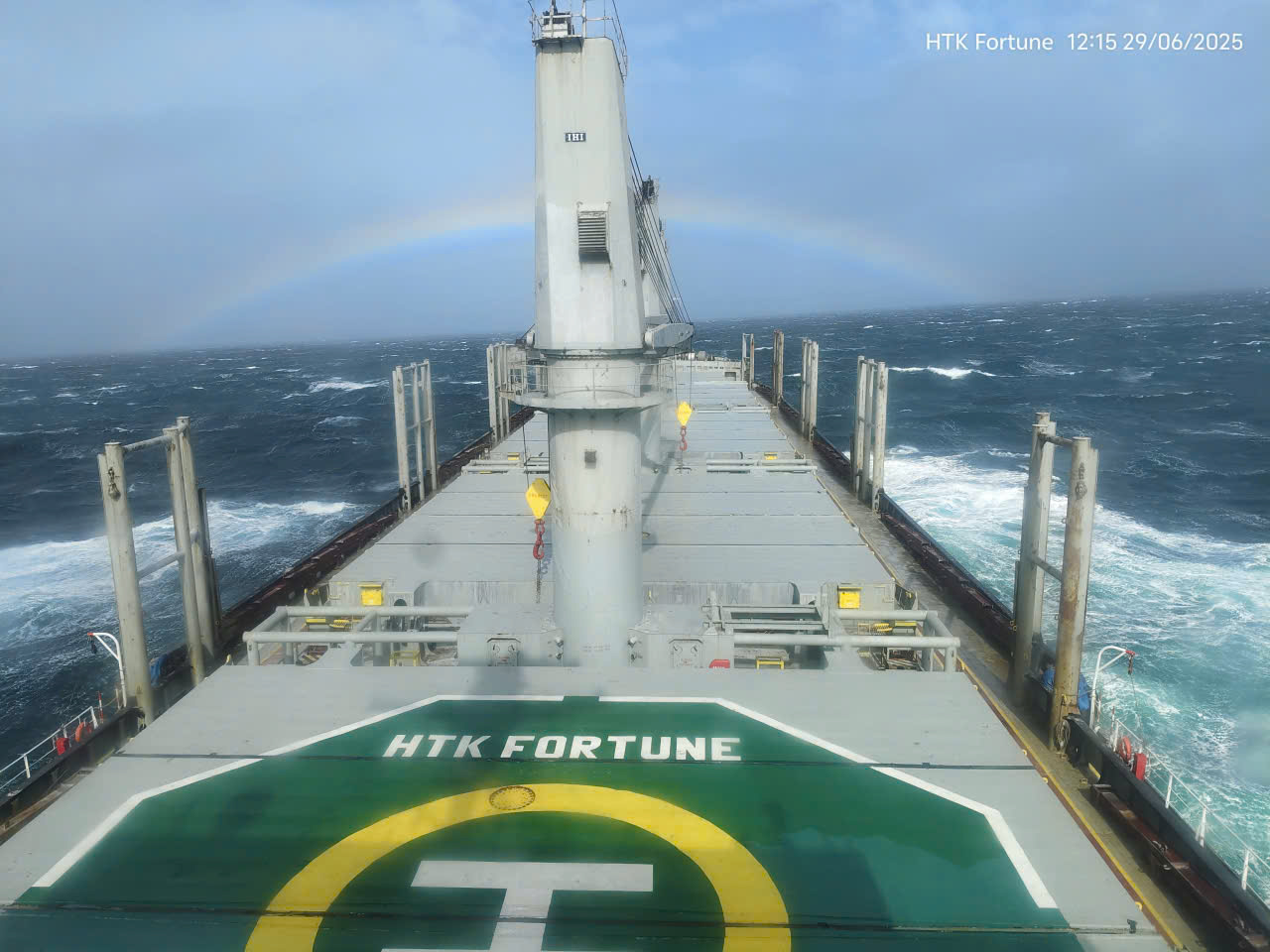
At HTK Marine Transport & Import–Export Co., Ltd., we view this period as a critical phase to strengthen our capabilities and prepare for the future. HTK continues to closely monitor international policy developments while investing in operational efficiency, safety, and environmental standards. As an integral link in the global supply chain, HTK recognizes that agility and proactive adaptation are essential to achieving long-term sustainable growth.
The IMO’s decision to postpone discussions on the Net-Zero framework does not signal a slowdown for the maritime industry. Instead, it highlights the importance of practical preparation, technological investment, and international collaboration. Vietnamese shipowners who act early — balancing financial prudence with technological innovation — will be well positioned to gain a competitive advantage once global standards are formally adopted.