

Key Maritime Routes Disrupted Amid Rising Security Risks
According to Reuters, the security situation in the Red Sea has become increasingly volatile, as attacks on commercial vessels have forced many major shipping lines to alter their routes. This development is being viewed as a new shock to the global supply chain, coming at a time when markets had only recently regained relative stability after a turbulent year in 2023.
Shipping routes through the Bab al-Mandab Strait have been nearly paralyzed following intensified attacks by Houthi forces. As a result, major global carriers such as Maersk, MSC, Hapag-Lloyd, and CMA CGM have simultaneously suspended transit through the area to ensure vessel safety.
Vessels Divert Around the Cape of Good Hope, Extending Transit Times
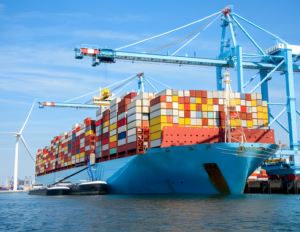
To mitigate security risks, most container ships and cargo vessels are now being rerouted around the Cape of Good Hope in South Africa, adding thousands of kilometers to their journeys. Reuters reports that many shipping companies consider this disruption the most severe since the 2021 Suez Canal crisis.
These route diversions have extended delivery times by an additional 10 to 14 days. While also driving up fuel, insurance, warehousing, and inventory management costs for global businesses.
Shipping Rates Spike Sharply, Renewing Pressure on Supply Chains
A direct consequence of the Red Sea disruption is a sharp surge in container freight rates. Which have risen by 80% to 150%, depending on routes and timing. Logistics experts warn that this may represent the first major cost shock of the year, potentially reversing the downward trend in shipping rates that has persisted since 2023.
Reuters analysis indicates that higher transportation costs could quickly spill over into consumer prices, particularly for electronics, machinery, and textiles. Energy-import-dependent countries may also face heightened pressure. With global inflation still not fully under control, renewed logistical disruptions are raising fresh macroeconomic risks.
Vietnamese Shipping Stocks Rise in Response to Higher Freight Rates
In Vietnam, escalating tensions in the Red Sea have swiftly been reflected in the stock market. With shipping and logistics stocks recording positive momentum.
Companies such as VSC, which specializes in port operations and container handling, are expected to benefit from increased throughput and logistics service demand. HAH, an operator with its own container fleet and port system. Is viewed favorably amid rising charter rates and stronger international shipping demand. Meanwhile, PVT is projected to gain from higher demand for crude oil and petroleum product transportation as global shipping routes become increasingly stretched.
Other stocks, including VOS, SGP, and PHP, have also attracted investor interest. As capital flows into sectors perceived to be direct beneficiaries of elevated freight rates.
Short-Term Outlook Hinges on Developments in the Red Sea
Analysts note that if tensions in the Red Sea persist, shipping rates are unlikely to ease in the near term. Creating opportunities for revenue and profit growth among shipping companies. Particularly in the first quarter of the year.
However, the medium-term outlook remains highly dependent on the stabilization of the Red Sea region and the pace of global trade recovery. Investors are therefore advised to closely monitor geopolitical developments and the operational. Strategies of individual companies within the maritime transport sector.